

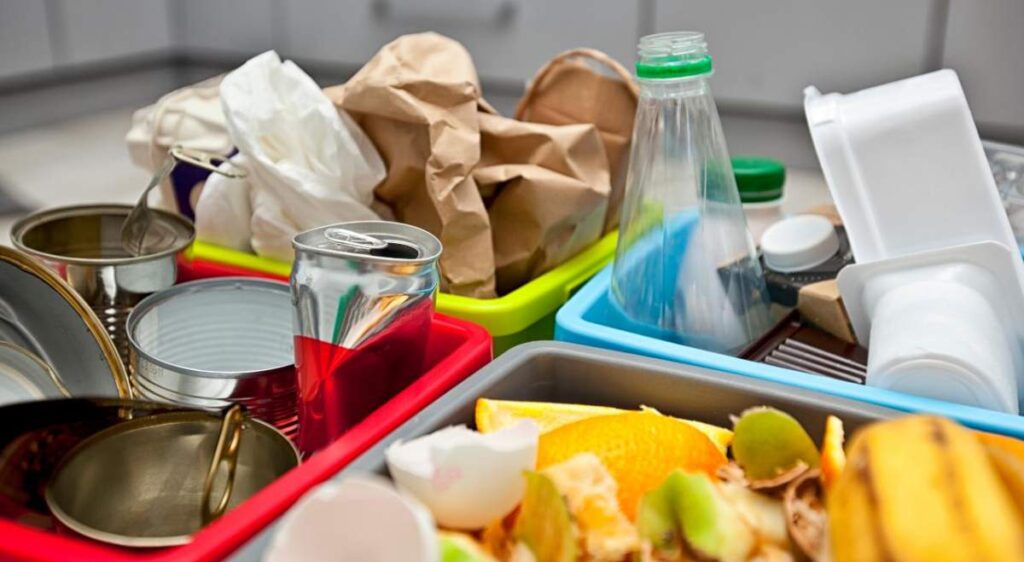
Plastic recycling at home is easiest when containers are emptied, lightly rinsed, and placed in the correct side of the recycling bin. In Millbrae, CA, residents can reduce sorting problems by focusing on everyday bottles, jars, and tubs rather than trying to recycle every item made of plastic.
Which plastic items belong in the recycling bin?
Plastic bottles, jars, and tubs are the main household containers to place in recycling. Common examples include:
- Water, juice, and other beverage bottles
- Shampoo, conditioner, and soap bottles
- Detergent and cleaning-product bottles
- Food jars and plastic tubs
- Yogurt, margarine, and similar food containers
Empty the container and give it a quick rinse if food or liquid remains inside. A small amount of residue can attract pests and create odors, especially when bins are stored near homes, garages, or shared housing areas.
Containers do not need to be flattened before recycling. Keeping their shape can make it easier to identify them during collection and sorting. Caps may remain with their containers unless local instructions say otherwise.
How should plastic containers be prepared?
A few simple habits make recycling cleaner and more useful:
1. Empty all liquids, food, and loose contents.
2. Scrape out heavy residue.
3. Rinse containers when needed.
4. Replace caps on bottles and jars.
5. Place the container in the recycling bin without putting it inside a plastic bag.
A perfect wash is unnecessary. The goal is to remove enough material to prevent leaks, odors, and contamination. For example, a peanut butter jar may need more rinsing than a water bottle, while a nearly empty shampoo bottle may only need to be drained.
Plastic bags should not be used to bundle household recyclables. Bagged materials are harder to inspect and sort, and the bag itself does not belong in the recycling bin.
How are recycling bins organized?
Recycling bins are split into two sections:
- One side is for bottles and cans.
- The other side is for paper and cardboard.
Plastic bottles, jars, and tubs go with the bottles-and-cans materials. Paperboard packaging and cardboard belong in the paper-and-cardboard section, not mixed loosely with containers when the bin is designed for separate placement.
Keep materials loose. Do not place recyclables inside grocery bags, trash bags, or other plastic film. Loose items can be identified and handled more effectively during collection.
Are all plastic items recyclable?
No. The recycling symbol or number printed on plastic does not automatically mean an item belongs in the curbside recycling bin. The symbol identifies the type of plastic, but acceptance depends on the local collection and sorting system.
A useful household rule is to recycle sturdy plastic containers that are designed to hold food, drinks, personal-care products, or household liquids. Items that are not containers should not be added simply because they are plastic.
When uncertain, check the current local material list before placing an unusual item in recycling. Guessing can add contamination to an otherwise clean load.
What should happen to plastic food packaging?
Food packaging should be emptied before it is sorted. If a container still holds food, scrape the contents into the compost bin when appropriate, then rinse the container.
Grass trimmings and food scraps belong in the compost, or green, bin—not the trash. A small kitchen pail can make this separation easier. The pail may be lined with paper only. Plastic liners, including bio-plastic and “compostable” plastic liners, belong in the trash, or grey, bin rather than the compost bin.
This separation is particularly useful in compact kitchens, apartments, and homes where recycling and compost containers may be kept close together.
What about glass and cartons?
Only glass bottles and jars belong in recycling. Other glass items should not be treated as recyclable containers merely because they are made of glass.
Cartons are not accepted in recycling. Keep them out of the bottles-and-cans section and the paper-and-cardboard section. If a package is difficult to identify, consult the current local instructions instead of relying only on its material or recycling symbol.
How can residents avoid common recycling mistakes?
The most common problems are caused by good intentions combined with uncertainty. These habits help:
- Do not place loose plastic film or bags in the recycling bin.
- Do not put recyclables inside a bag.
- Do not add containers filled with food, drinks, or cleaning products.
- Do not flatten bottles, jars, or tubs unless there is a specific reason to save space.
- Do not place cartons in recycling.
- Do not assume every plastic item belongs in the curbside program.
- Keep compostable materials in the green bin and recyclables in the recycling bin.
A quick check before taking the kitchen container outside can prevent mistakes: Is it an empty bottle, jar, or tub? If yes, it is generally a strong candidate for recycling. If it is another type of plastic item, verify the local rules first.
What should happen to electronics found in recycling?
Electronics should not be placed in household recycling. If electronic items are found during processing, they are separated for proper handling rather than treated as ordinary recyclable containers.
Keep electronics out of all curbside bins and use an appropriate collection or drop-off option for those items. Batteries and household hazardous materials also require separate handling and should not be mixed with plastic containers.
Does apartment living change the basic rules?
The basic sorting approach is the same, but shared buildings may have limited space and more frequent contamination. Residents can help by keeping recyclable containers loose, rinsing them before placing them in the bin, and making sure the recycling area remains free of overflowing bags and food residue.
In homes with small outdoor areas, secure lids and avoid overfilling containers. Local weather can bring periods of wind and damp conditions, so keeping lids closed helps prevent lightweight materials from scattering and keeps pests away.
A simple routine for the kitchen
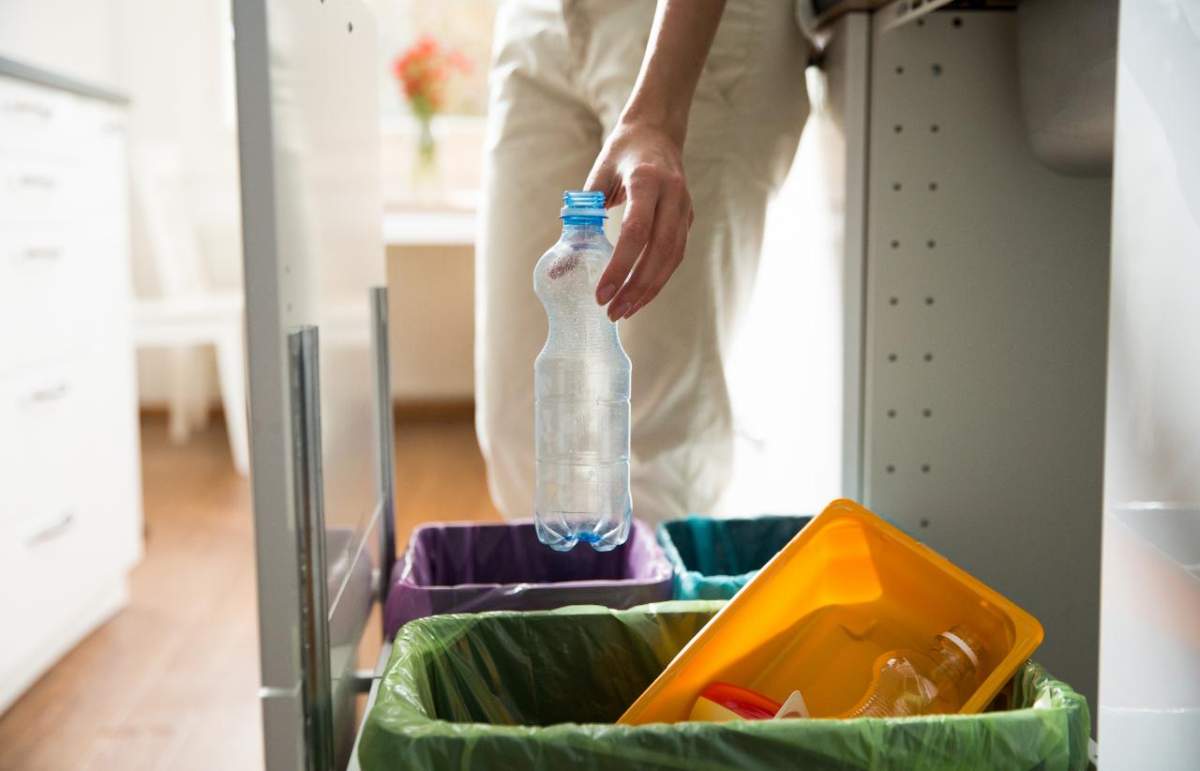
Recycling does not need to become a complicated chore. Keep a small container near the sink for empty bottles, jars, and tubs. Drain or rinse items as they are used, then place them loose in the bottles-and-cans side of the recycling bin.
Use a separate kitchen pail for food scraps and food-soiled material destined for the green bin. Paper may line the pail, but plastic and compostable plastic liners belong in the grey bin.
This routine keeps the three main streams—recycling, compost, and trash—separate at the point where waste is created. Clear sorting at home is the most reliable way to reduce contamination and make plastic recycling easier for the entire community.