

Reducing household waste does not require major lifestyle changes. The most effective approach is to prevent unnecessary waste, separate materials correctly, and make a few daily habits easier to follow.
In Millbrae, CA, households commonly manage waste through three main streams: the grey garbage bin, the green compost bin, and a split recycling bin. Using each container correctly keeps useful materials out of the landfill and helps prevent contamination.
What is the simplest way to reduce household waste?
Start by looking at what your household throws away most often. Food scraps, yard trimmings, paper, cardboard, packaging, and disposable items usually make up a large share of everyday waste.
A simple routine is to:
- Buy only the amount of food that will be used.
- Keep reusable bags, bottles, and containers available.
- Sort food scraps and yard trimmings into the green bin.
- Place recyclable materials in the correct side of the split recycling bin.
- Repair, reuse, donate, or share usable items before discarding them.
- Keep a small “waste audit” for one week to identify repeated problem items.
The goal is not perfection. A household can make noticeable progress by focusing first on the materials that appear most often in the garbage.
How should food scraps and yard trimmings be handled?
Grass trimmings and food scraps belong in the green compost bin, never the trash. Yard trimmings, plant material, fruit and vegetable scraps, meat and dairy scraps, and food-soiled paper can generally be placed in the organics stream according to local collection rules.
A kitchen pail makes this easier. Keep it near food preparation areas and empty it regularly so scraps do not accumulate on countertops. The pail may be lined with paper only. Plastic liners, bio-plastic liners, and “compostable” plastic liners belong in the grey garbage bin, not the green bin.
To reduce odors:
- Empty the kitchen pail frequently.
- Wrap especially wet scraps in a sheet of paper.
- Store the pail in a cool area.
- Place a layer of food-soiled paper or dry yard material in the green bin.
- Rinse the pail after emptying it.
Residents in smaller homes, apartments, and other compact housing can reduce mess by keeping the pail beneath the sink or in another ventilated location. During warmer weather, more frequent emptying can make the routine more comfortable.
How does the split recycling bin work?
The recycling bin is divided into two sections. One side is for bottles and cans. The other side is for paper and cardboard.
The bottles-and-cans side is intended for empty containers such as:
- Plastic bottles, jars, and tubs
- Metal food and beverage cans
- Glass bottles and jars
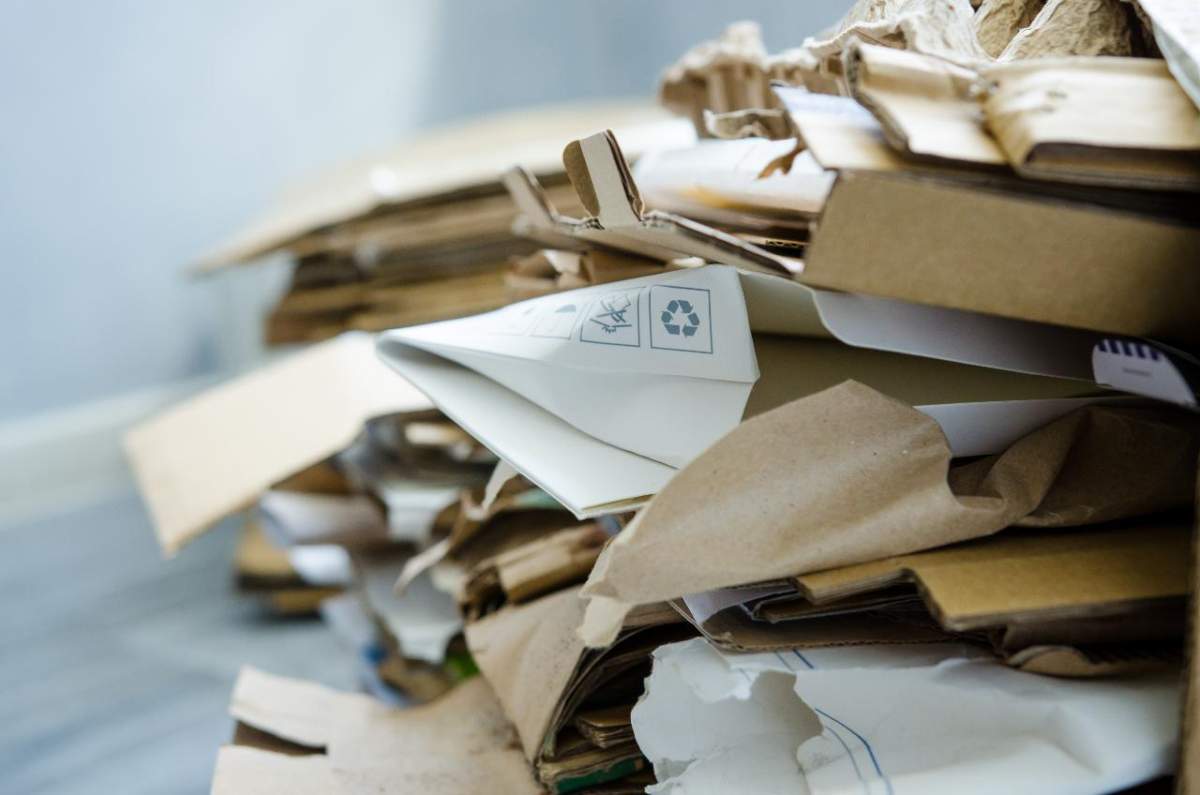
Containers do not need to be flattened before recycling. Emptying them is helpful, but excessive rinsing is usually unnecessary. Paper and cardboard should be kept reasonably clean and dry. Flatten cardboard boxes when needed to make room, but do not place cartons in the recycling bin.
Keeping the two sides separate is especially useful in busy households because it reduces sorting mistakes at the curb. If a material does not clearly fit the accepted categories, check the current local collection guidance rather than placing it in recycling as a guess.
What household habits prevent waste before it is created?
Waste prevention begins before an item enters the home. Planning purchases can reduce excess packaging, duplicate supplies, and unused food.
For groceries, consider:
- Planning several meals before shopping.
- Checking the refrigerator, freezer, and pantry first.
- Choosing the appropriate package size for actual household use.
- Storing food where it can be seen and used.
- Freezing extra portions before they spoil.
- Using older food first.
For household goods, delay purchases when possible. A short waiting period can reveal whether an item is needed or whether something already at home can serve the same purpose.
Reusable products are most effective when they are convenient. Keep reusable shopping bags near the door or in a vehicle, place a refillable bottle where it will be remembered, and store food containers together so they are easy to find.
How can residents reduce paper and cardboard waste?
Paper waste often comes from mail, printing, school materials, and packaging. Review recurring paper deliveries and select electronic notices when that option is available. Print only the pages needed and use both sides of paper for drafts or household notes.
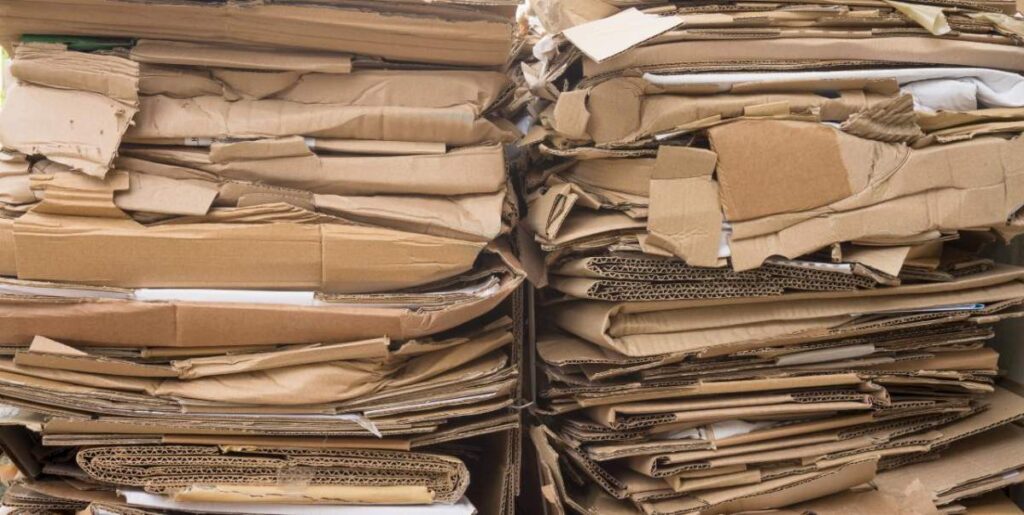
Cardboard boxes can often be reused for storage, moving, shipping, craft projects, or seasonal decorations. When a box is no longer useful, flatten it and place it with the paper and cardboard side of the recycling bin.
For households with limited storage, breaking down boxes soon after unpacking prevents cardboard from taking over closets, garages, and shared waste areas.
What should be reused, repaired, or shared?
Before throwing something away, ask whether it can serve another purpose. Clean containers may be useful for organizing small household items. Durable clothing, books, furniture, kitchenware, and tools may be reusable even when they are no longer needed by one household.
A neighborhood sharing habit can also reduce duplicate purchases. Items used only occasionally, such as specialty tools or party supplies, may be borrowed or shared rather than purchased by several households.
Repair is another form of waste prevention. Replacing a small part, sewing a seam, tightening hardware, or cleaning an item can extend its useful life. For electrical equipment or anything involving damaged wiring, repair should be handled only when it can be done safely.
Which waste-sorting mistakes are most common?
The most common mistake is placing an item in a bin because it seems recyclable or compostable. A recycling bin is not a general-purpose container for uncertain materials.
Other avoidable mistakes include:
- Putting food scraps or grass trimmings in the grey bin.
- Mixing paper and cardboard with bottles and cans in the split recycling container.
- Placing cartons in recycling.
- Using plastic or compostable-plastic liners in the green bin.
- Leaving excessive food or liquid inside containers.
- Allowing loose paper to become wet before collection.
When a household is unsure, setting aside the item until the collection guide can be checked is better than contaminating a full bin.
How can families make waste reduction easier?
Assign simple responsibilities. One person can monitor the kitchen pail, another can break down cardboard, and children can learn which side of the recycling bin receives paper and cardboard versus bottles and cans.
A visible sorting station can help. Use clearly labeled containers indoors for compost, paper and cardboard, and bottles and cans. Keep the setup near the kitchen or another area where waste is generated.
Review the system after a few weeks. If the grey bin is still filling quickly, look for one repeated source, such as food waste, shipping boxes, disposable foodware, or impulse purchases. Addressing one major source at a time is usually more practical than attempting to change every household habit at once.