

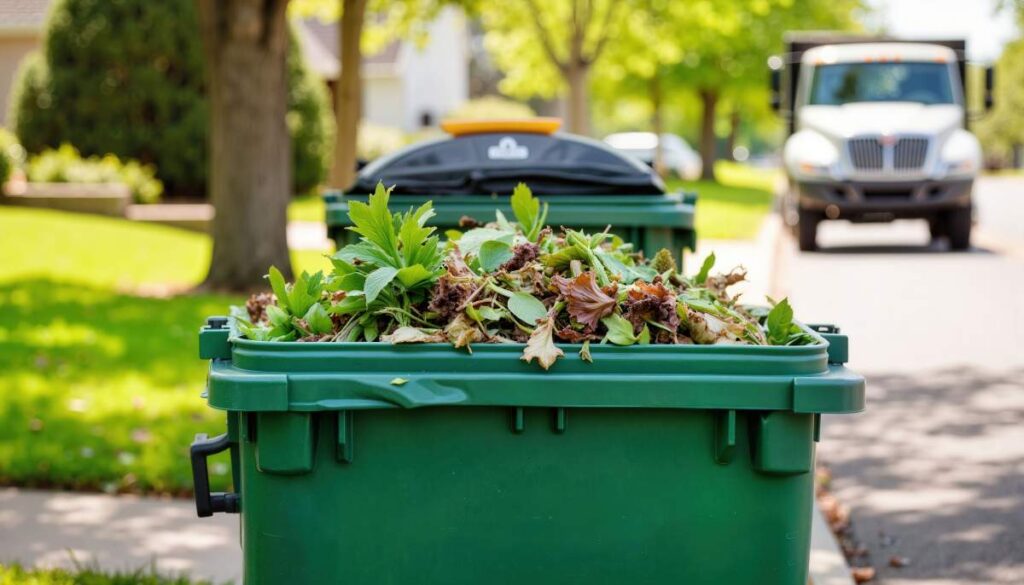
Composting turns food scraps, yard trimmings, and other organic materials into a useful soil amendment. For residents of Millbrae, CA, the easiest way to participate is to place approved organic materials in the green bin, while households with outdoor space may also choose to compost at home.
What is composting?
Composting is the natural breakdown of organic material into a dark, crumbly material that can improve soil. Microorganisms, air, moisture, and time work together to transform items such as fruit peels, leaves, and grass clippings.
Compost can help soil hold moisture, reduce the need for some fertilizers, and return nutrients to gardens and landscaping. The process also keeps organic waste out of the grey trash bin, where it cannot be recovered as compost or other useful material.
Composting does not mean putting every item labeled “natural,” “biodegradable,” or “compostable” into the green bin. Materials must be accepted by the local organics program or suitable for a properly managed home compost pile.
What belongs in the green bin?
Grass trimmings and food scraps must go in the compost, or green, bin—not the trash. The local organics program accepts a broad range of food and yard materials, including:
- Fruit and vegetable peels, pits, seeds, stems, and cores
- Leftovers, plate scrapings, bread, rice, pasta, and cereal
- Meat, bones, eggshells, coffee grounds, and paper coffee filters
- Yard trimmings such as leaves, flowers, weeds, plant cuttings, and grass
- Food-soiled paper, including appropriate paper plates, towels, and napkins
- Natural cork, wooden utensils, and chopsticks
- Cool, solidified fat, oil, and grease
- Backyard fruit and other naturally fallen plant material
Food scraps can be scraped directly into the green bin. A small kitchen pail makes collection easier, especially in homes where the green bin is stored outdoors or in a shared waste area.
How should kitchen scraps be collected?
Kitchen pails may be lined with paper only. A sheet of newspaper or a paper bag can help absorb moisture and make the pail easier to empty.
Plastic liners should not be used, including bio-plastic and products labeled compostable plastic. These liners belong in the grey bin, not the green bin. Labels can be confusing because a bag may be designed for industrial composting but still interfere with the local organics process.
To reduce odors:
- Empty the pail regularly, especially during warm weather.
- Add a layer of dry leaves or food-soiled paper to the green bin.
- Wrap especially wet food scraps in paper before placing them inside.
- Keep the lid fully closed.
- Rinse the pail with water and allow it to dry between uses.
Millbrae’s mild, often damp coastal conditions can make moisture control particularly useful. Too much moisture may cause odors and make the contents stick to the cart.
Can residents compost at home?
Yes. Home composting works well for households with a yard, patio, or suitable outdoor area. A basic compost system needs a bin or enclosed pile, a balance of materials, moisture, and airflow.
A practical mixture includes:
- “Greens,” such as fruit scraps, vegetable scraps, coffee grounds, and fresh grass
- “Browns,” such as dry leaves, untreated plant material, and plain shredded paper or cardboard suitable for home composting
- Water, added as needed
- Air, supplied by turning or loosening the pile
The pile should feel damp but not saturated—similar to a wrung-out sponge. If it smells sour or attracts excess flies, mix in more dry brown material and improve airflow. If it is dry and unchanged, add a small amount of water and mix the contents.
A compost bin should sit on a reasonably level surface with enough room to open, turn, or add material. In smaller yards or shared housing, a compact enclosed system may be more practical than an open pile. The green bin remains the appropriate option for materials that are not suitable for a home setup.
What should not go into a home compost pile?

Home composting systems are smaller and less controlled than commercial organics processing. Avoid adding materials that may create odors, attract animals, or fail to break down properly in a backyard pile.
Do not add:
- Plastic, including items labeled compostable or biodegradable
- Glossy, heavily coated, or chemically treated paper
- Large amounts of cooking oil or liquid
- Diseased plant material
- Weeds carrying mature seeds
- Treated wood, synthetic fabric, or other manufactured materials
Meat and bones may be accepted in the green bin, but many backyard compost systems should not receive them because they can attract pests or create odor problems. When in doubt, use the green bin according to local instructions rather than experimenting with a home pile.
How can apartment and townhouse residents participate?
Residents without a private yard can still compost through the curbside green bin. Keep a small paper-lined pail near the food-preparation area and empty it into the shared or household green cart regularly.
In multi-unit buildings, organics bins should be easy to find and placed where residents already dispose of trash and recycling. Clear labels help prevent contamination. Property managers and residents can also reduce confusion by keeping food scraps, food-soiled paper, and yard trimmings separate from recycling.
How does composting fit with recycling?
Compost, recycling, and trash serve different purposes. Food scraps and grass trimmings belong in the green bin. Recycling should remain clean and dry.
The split recycling bin is organized into two sides:
- One side is for bottles and cans.
- The other side is for paper and cardboard.
Glass bottles and jars belong in recycling. Containers such as bottles, jars, and tubs do not need to be flattened before recycling. Cartons are not accepted in recycling, so they should not be placed in either side of the split recycling bin.
Keeping organic material out of recycling is just as important as keeping recyclables out of the green bin. A food-covered paper item may belong in organics, while a clean, dry paper item belongs with paper and cardboard.
What are the most common composting mistakes?
The most common problems are using the wrong liner, placing food scraps in the trash, and assuming that a product’s label determines where it belongs. Sorting should be based on local collection rules, not packaging claims alone.
Other avoidable mistakes include leaving the green-bin lid open, allowing liquids to accumulate, and mixing recyclable paper with food-soiled material. A simple routine—collect scraps in a paper-lined pail, empty it frequently, and add dry material when needed—usually prevents most household problems.
For local residents, successful composting begins with one consistent habit: food scraps and grass trimmings go in the green bin, while recycling remains clean, dry, and correctly sorted.